In the world of interior design and architecture, acoustics play a significant role in creating comfortable, functional spaces. Whether it’s a home, office, theater, or educational institution, the ability to control sound is crucial to enhancing the user experience. One of the most effective solutions for managing acoustics in any environment is the use of felt wall coverings. These materials not only offer an aesthetic appeal but also contribute significantly to sound absorption, creating spaces that are both visually pleasing and acoustically balanced.
What Is Felt Wall Covering?
Felt wall covering is a type of decorative wall finish made from felt fabric, which is produced from compressed fibers, often derived from wool, polyester, or recycled materials. This covering is used in interior spaces to provide both functional and visual benefits. It can be applied to various surfaces, including walls, ceilings, and partitions, and is designed to improve acoustic performance by reducing sound reflection, minimizing noise, and providing an overall more pleasant auditory experience.
The composition of felt allows it to absorb sound waves effectively. Its dense, fibrous structure creates a porous surface that traps sound energy, converting it into minimal heat, which prevents noise from bouncing off hard surfaces and disrupting the acoustic environment. Felt wall coverings are available in a wide range of colors, textures, and thicknesses, allowing for customization to suit any design aesthetic.
Acoustic Benefits of Felt Wall Coverings
Felt wall coverings are primarily valued for their acoustic properties. In both commercial and residential spaces, managing noise is essential to creating comfortable and productive environments. Let’s explore the key acoustic benefits of using felt wall coverings:
1. Sound Absorption
The primary function of felt as an acoustic material is its ability to absorb sound. When sound waves hit hard surfaces such as drywall, glass, or concrete, they tend to reflect and reverberate, leading to increased noise levels in a room. Felt’s fibrous composition provides a porous surface that allows sound waves to penetrate and dissipate, significantly reducing echoes and reverberation times. This makes felt wall coverings particularly beneficial in spaces like conference rooms, open-plan offices, classrooms, and auditoriums, where clear communication is vital.
2. Noise Reduction
Another important advantage of felt wall coverings is their ability to reduce noise levels. Whether it’s the sound of traffic from outside or conversations and activities within a building, felt can help prevent unwanted sound transmission. In addition to absorbing sound within a room, felt coverings can help prevent the leakage of sound into adjacent spaces, enhancing privacy and reducing distractions in busy environments. This is especially useful in multi-use buildings such as hotels, healthcare facilities, and shared offices.
3. Improved Speech Intelligibility
One of the most notable effects of felt wall coverings is their ability to improve speech intelligibility in a room. In spaces where clear communication is essential, such as classrooms, boardrooms, or lecture halls, sound clarity is paramount. Felt’s sound-absorbing qualities help to eliminate echoes and reverberation, which can distort speech and make it difficult for people to hear and understand each other. With felt wall coverings, the clarity of speech improves, making the space more conducive to communication and collaboration.
4. Enhanced Comfort and Acoustical Balance
In addition to improving speech intelligibility, felt wall coverings create an overall more balanced acoustic environment. Excessive noise can lead to a phenomenon known as “acoustic fatigue,” where individuals experience discomfort or stress due to prolonged exposure to loud or unclear sounds. Felt wall coverings, by absorbing unwanted noise, help to create a more pleasant and comfortable atmosphere, reducing the risk of acoustic fatigue and improving the well-being of the people in the space.
Design and Aesthetic Value of Felt Wall Coverings
Beyond their functional acoustic benefits, felt wall coverings also offer significant design value. The flexibility of felt as a material allows it to be used in a variety of interior design styles, from contemporary to traditional, minimalist to eclectic. Felt can be easily customized to meet the specific aesthetic preferences of a space, making it a versatile choice for designers and architects.
1. Versatility in Design
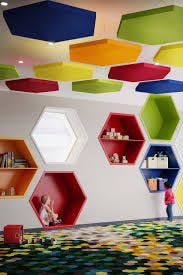
Felt wall coverings are available in various colors, patterns, and textures, giving designers the ability to create unique and tailored interiors. Felt can be cut into custom shapes and sizes, allowing for creative wall installations, such as geometric patterns or abstract designs. This versatility means that felt wall coverings can be used in a wide range of spaces, including residential homes, corporate offices, public buildings, and even retail environments.
Moreover, felt can be easily integrated into existing interior elements, such as furniture, lighting, and other wall treatments. Its subtle yet sophisticated appearance complements many different design aesthetics, from minimalist to industrial to Scandinavian styles. The use of felt can help create warm, inviting spaces that are visually interesting yet not overwhelming.
2. Sustainable Design
Sustainability is a growing concern in the world of interior design, and felt wall coverings are an eco-friendly option for environmentally conscious projects. Many felt products are made from recycled materials, such as post-consumer plastic bottles or natural fibers like wool. This reduces the environmental impact of the product, as it diverts waste from landfills and reduces the need for new raw materials.
Additionally, felt’s durability and long lifespan mean that it can be a more sustainable option compared to other wall coverings that may need to be replaced more frequently. Felt is easy to maintain and can often be cleaned or refurbished, extending its life and reducing the overall environmental footprint of the space.
Applications of Felt Wall Coverings
The versatility of felt wall coverings makes them suitable for a wide range of applications. Here are a few examples of where felt wall coverings can be particularly beneficial:
1. Office Spaces and Open Plan Environments
Open-plan offices often suffer from high noise levels due to the lack of partitioned spaces. This can lead to distractions, difficulty focusing, and decreased productivity. Felt wall coverings can help mitigate these issues by absorbing sound, reducing distractions, and creating a more comfortable working environment. The aesthetic appeal of felt can also enhance the overall design of office spaces, contributing to a more attractive and professional atmosphere.
2. Educational Institutions
Classrooms, lecture halls, and auditoriums require optimal acoustics for effective learning and communication. Felt wall coverings can reduce distractions caused by excessive noise and ensure that speech is clear and intelligible. They can also help create a calmer, more focused environment for students, which is crucial for academic success.
3. Healthcare Facilities
In healthcare settings, maintaining privacy and reducing noise levels are critical. Felt wall coverings help absorb sound, ensuring that conversations in patient rooms or consultation areas are not overheard. They also contribute to creating a quieter, more relaxing environment for both patients and staff, improving the overall quality of care.
4. Residential Interiors
In homes, felt wall coverings can be used to enhance both the acoustic performance and aesthetic appeal of various spaces. In living rooms, home theaters, or bedrooms, felt can reduce noise disturbances and create a peaceful atmosphere. Its modern, sleek appearance can also complement a wide range of interior design styles.
Conclusion: Felt wall coverings represent a unique fusion of form and function, offering both acoustic and aesthetic benefits for a wide variety of spaces. By providing sound absorption, noise reduction, and enhanced speech intelligibility, these coverings create more comfortable and productive environments. Furthermore, the design versatility of felt makes it an attractive choice for interior designers seeking a sustainable and visually appealing solution. Whether in offices, classrooms, healthcare facilities, or residential settings, felt wall coverings continue to demonstrate their value as an innovative solution for acoustic design.
Comments
Post a Comment